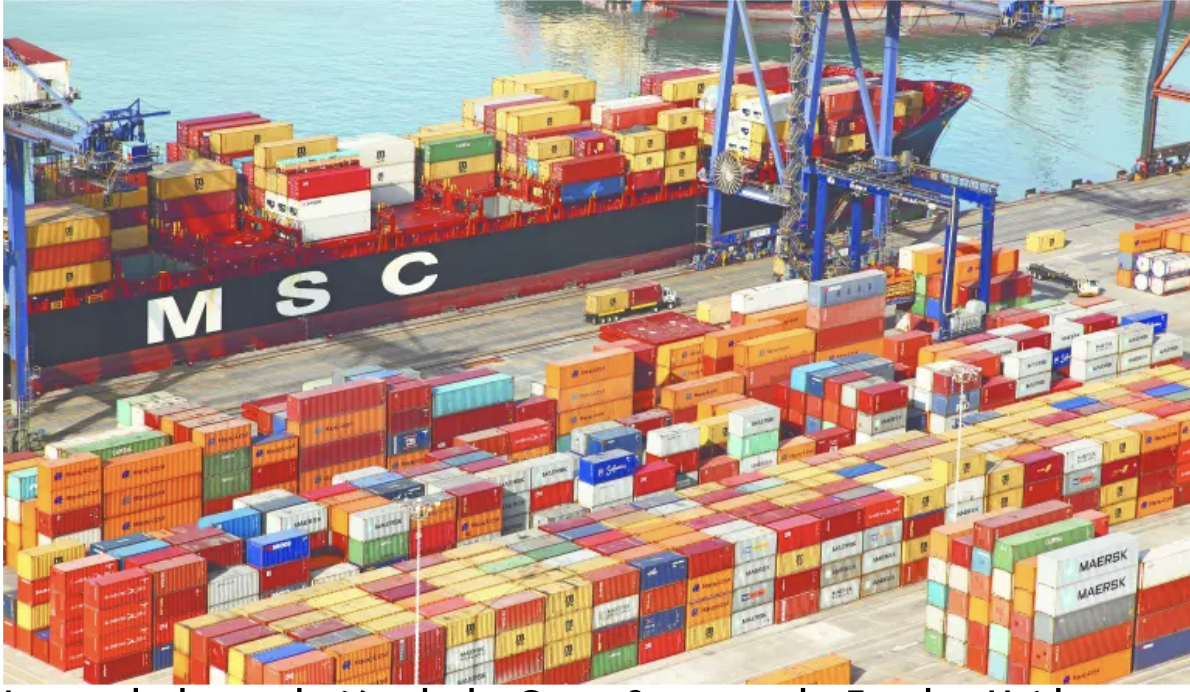
Mexico has just hit a historic record with over $70 billion in exports this past March a staggering 27.7% annual growth. But the real story isn’t just the volume; it’s the shift.
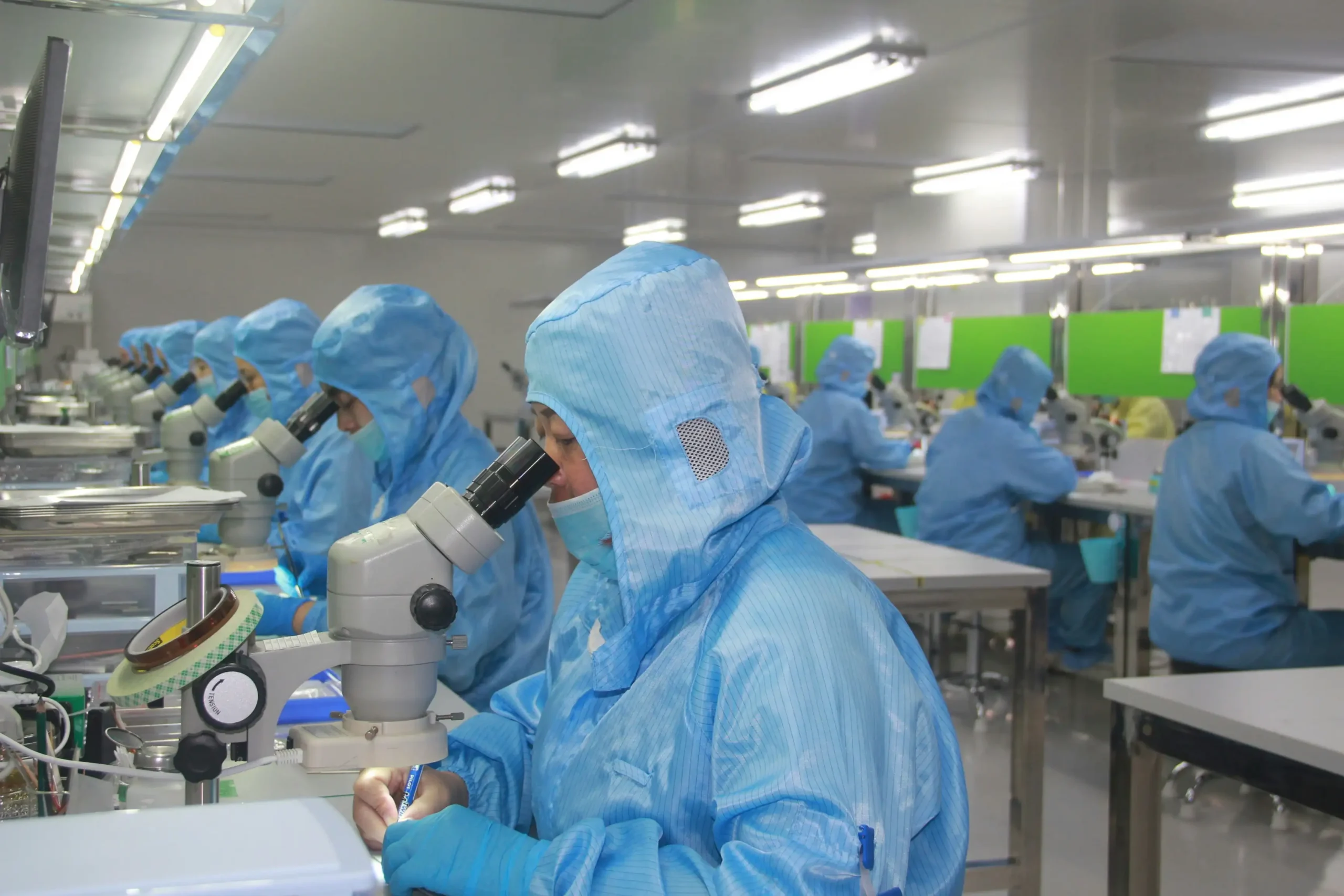
As Enrique Quintana highlights in his latest piece for El Financiero, we are witnessing “Silent Nearshoring.” This isn’t about new factories breaking ground; it’s about existing plants running extra shifts and reallocating supply chains away from Asia toward the North American bloc. For logistics professionals, this means a surge in non-automotive manufacturing, particularly in electronics, electrical equipment, and food & beverage.
At PARAGON, we see this as a critical window for companies to optimize their existing capacity and strengthen their regional integration.

It remains to be determined whether this ruling will affect tariff measures imposed under other legal instruments.
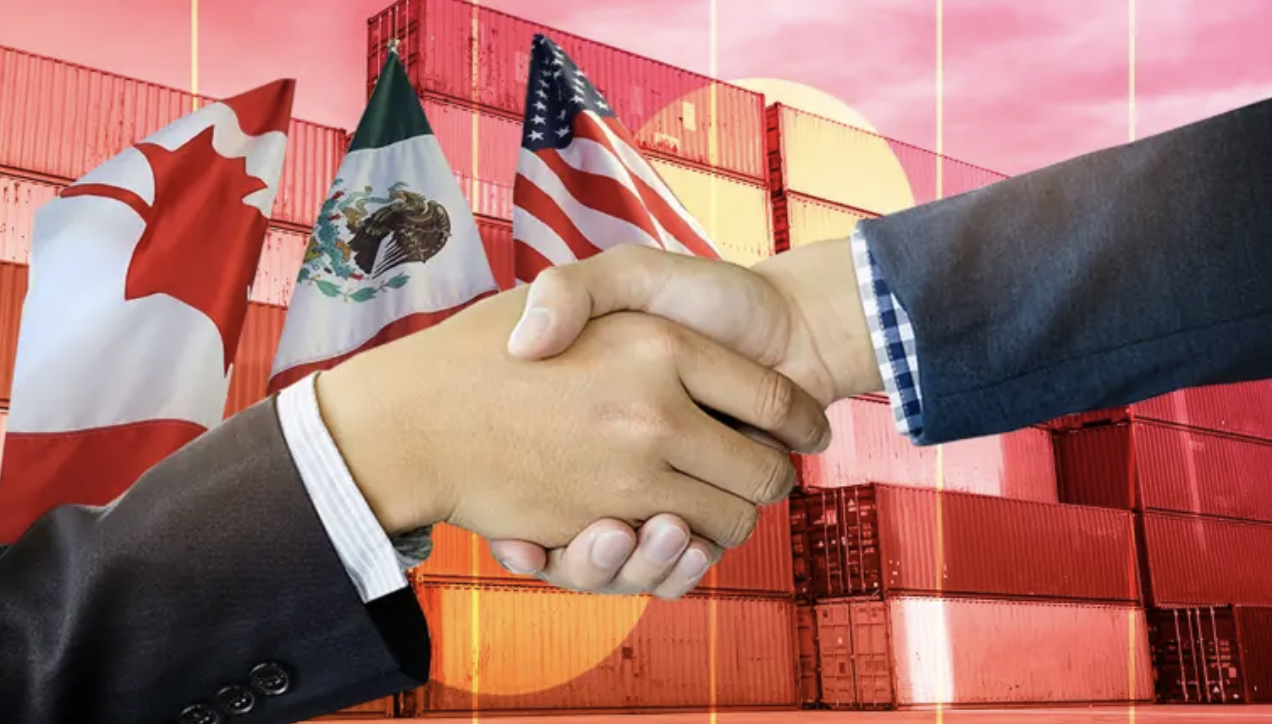
Following the U.S. Supreme Court’s decision to suspend tariffs imposed under the International Emergency Economic Powers Act (IEEPA), the probability of maintaining the trilateral agreement between the United States, Mexico, and Canada (USMCA) has increased. This was the assessment provided by experts at Deutsche Bank Research.
“The elimination of these tariffs primarily impacts Mexico, the country most exposed to shifts in trade policy, by boosting global growth prospects and commodity prices,” they noted.
In their weekly report, Macro and Strategy Highlights, they anticipated that the effective import rate for Mexican products will drop to 5.5% from 7.3%. “We feel optimistic regarding Mexico’s continued preferential access to the U.S. market, which is a positive driver for the peso.”
On Friday, February 20, the U.S. Supreme Court ruled that the Executive Branch* exceeded its authority by using emergency powers to apply broad trade levies. Consequently, it declared the tariffs applied since the so-called “Liberation Day” unconstitutional.
Deutsche Bank analysts, led by Chief Economist for Latin America Francisco Campos, anticipate that “the Mexican economy will see a new boost in exports this year.”
The USMCA review serves as a cornerstone for strengthening the regional supply chain and reducing transit costs.
The uncertainty fueled by the oil crisis and the conflict in the Middle East has become a stress test for the North American region a real-time assessment of the security and resilience of its supply chains.
Rather than just an immediate opportunity, the current environment reveals an urgent need to bolster regional production integration and guarantee the security of trade flows. In this process, the expertise of the private sector, those who operate and fine-tune these chains becomes a decisive factor.
Paragon Trading Corporation: Your strategic partner for simplifying procedures, optimizing rules of origin, and streamlining your customs clearance.
The FDA has announced a significant leap in its digital modernization strategy with the launch of Elsa 4.0 and the HALO (Harmonized AI & Lifecycle Operations for Data) platform. This move is more than just a software update; it is a complete re-engineering of the agency’s digital infrastructure. By consolidating over 40 disparate data sources into a single ecosystem, the FDA has eliminated the fragmentation that previously slowed down complex reviews.
The breakthrough lies in integration: Elsa 4.0 is no longer an external tool that requires manual data uploads. Instead, the AI now “sits on top” of the data. New features include quantitative data visualization, OCR for scanned documents, and the ability to build custom agents for specific scientific and investigative tasks.
The implementation of Elsa 4.0 within a FedRAMP High secure environment sets a new “gold standard” for AI ethics and security in the public sector. The most critical takeaway is the focus on data sovereignty: the FDA ensures that AI models are not trained on sensitive industry data, effectively eliminating risks to intellectual property.
From an operational standpoint, this is the blueprint for complex organizations. By moving from a model where staff “bring data to the AI” to one where “AI resides within the data,” the agency is removing the “friction tax” the hours lost to manual data entry and administrative bottlenecks. This shift allows world-class scientists to refocus on high-value work: patient safety and accelerating medical innovation. Ultimately, it is a masterclass in using technology to empower, rather than replace, human expertise.
Join our strategic network and save on your first global project.